Skip links
LEAD

Digital Twins
for low emission last mile logistics

Strategies for shared-connected and low-emission city logistics operations

Vision.

LEAD creates Digital Twins of urban logistics networks in six cities, to support experimentation and decision-making with on-demand logistics operations in a public-private urban setting. By exploiting contextual, sensor and real-time operational data, Digital Twins facilitate the comprehension of the dynamics of logistics networks in the city and the integrated planning and management of freight movement. The long-term vision of LEAD is to design an Open PI-inspired framework for Smart City Logistics that incorporates the Digital Twins created in the project, thus setting the foundations for the development of large-scale city Digital Twins

Programme

Horizon 2020

Our role

Technical Coordinator

Start date

Jun 2020

Duration

36 months

4m
Budget
27
Partners

The challenge.

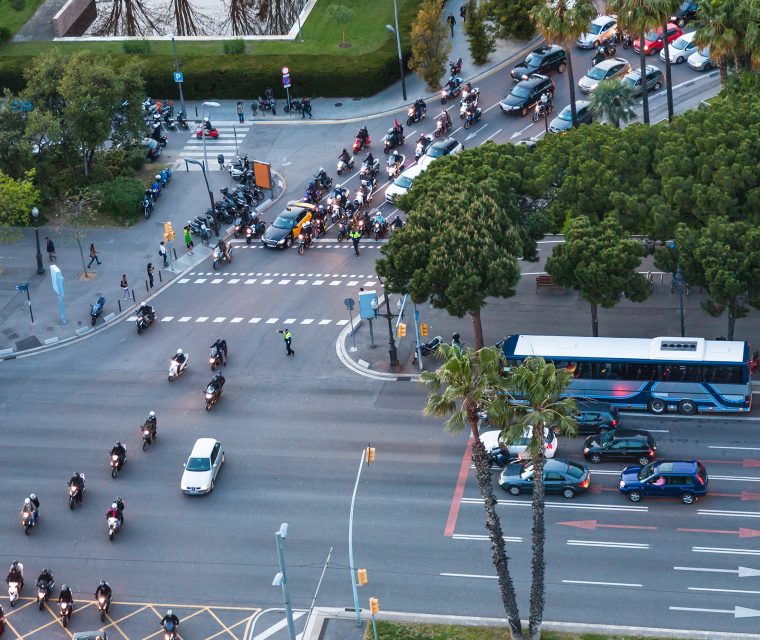
The rise of on-demand logistics puts serious strain on last-mile delivery systems. Consumers require responsive logistics systems that deliver customised products at low or even zero cost. The last mile delivery market is developing fast. Urban planners, city authorities and business stakeholders need a new adaptive approach to help them predict possible consequences of market driven developments, evaluate fast response green strategies, and introduce incremental changes by adopting innovative business models that promote public private cooperation.

Uberization of city logistics operations

Weak incentives for sustainable systems

Uncertainty of market developments

Approach & solutions.

Innovative solutions for city logistics address the requirements of the on-demand economy while aligning competing interests and creating value for all different stakeholders. Each implementation scenario combines a number of measures (LEAD Strategies):

  • Innovative business models
  • Agile urban freight storage and last-mile distribution schemes
  • Low emission automated or electric delivery vehicles
  • Smart logistics solutions

Pilot scenarios incorporate opportunities for shared, connected and low-emission logistics operations by considering four innovation drivers:
- Sustainability - Zero Emission
- Logistics, the Sharing Economy
-Technology Advancements and
-The emerging Physical Internet (PI) paradigm.

Lyon

Implementing smart delivery solutions with e-cargo bikes and lockers

Budapest

Optimising spatial planning of inner-city loading areas by combining the existing transport model with Digital Twins

Porto

SONAE retail stores optimizing last mile deliveries

Madrid

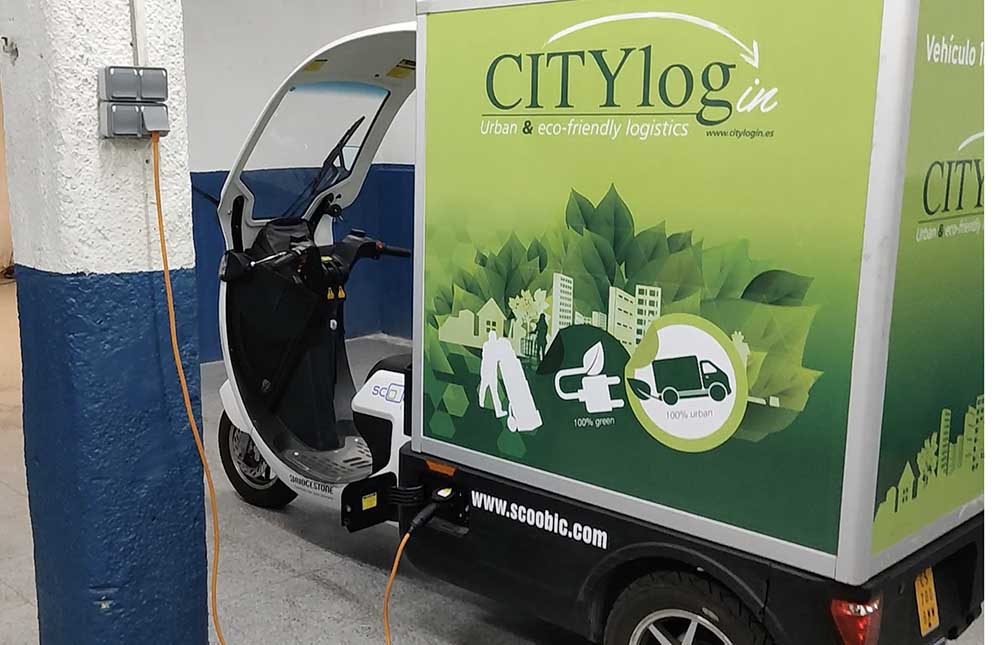
City Login and EMT Madrid working together to set in operation an underground parking lot as an urban consolidation center with green delivery vehicles

The Hague

Integrated last-mile logistics with demand-supply matching platforms

Oslo

Combining Nimber crowd-shipping with existing delivery services

Living Labs

Digital Twins of real-life logistics operations in six cities.

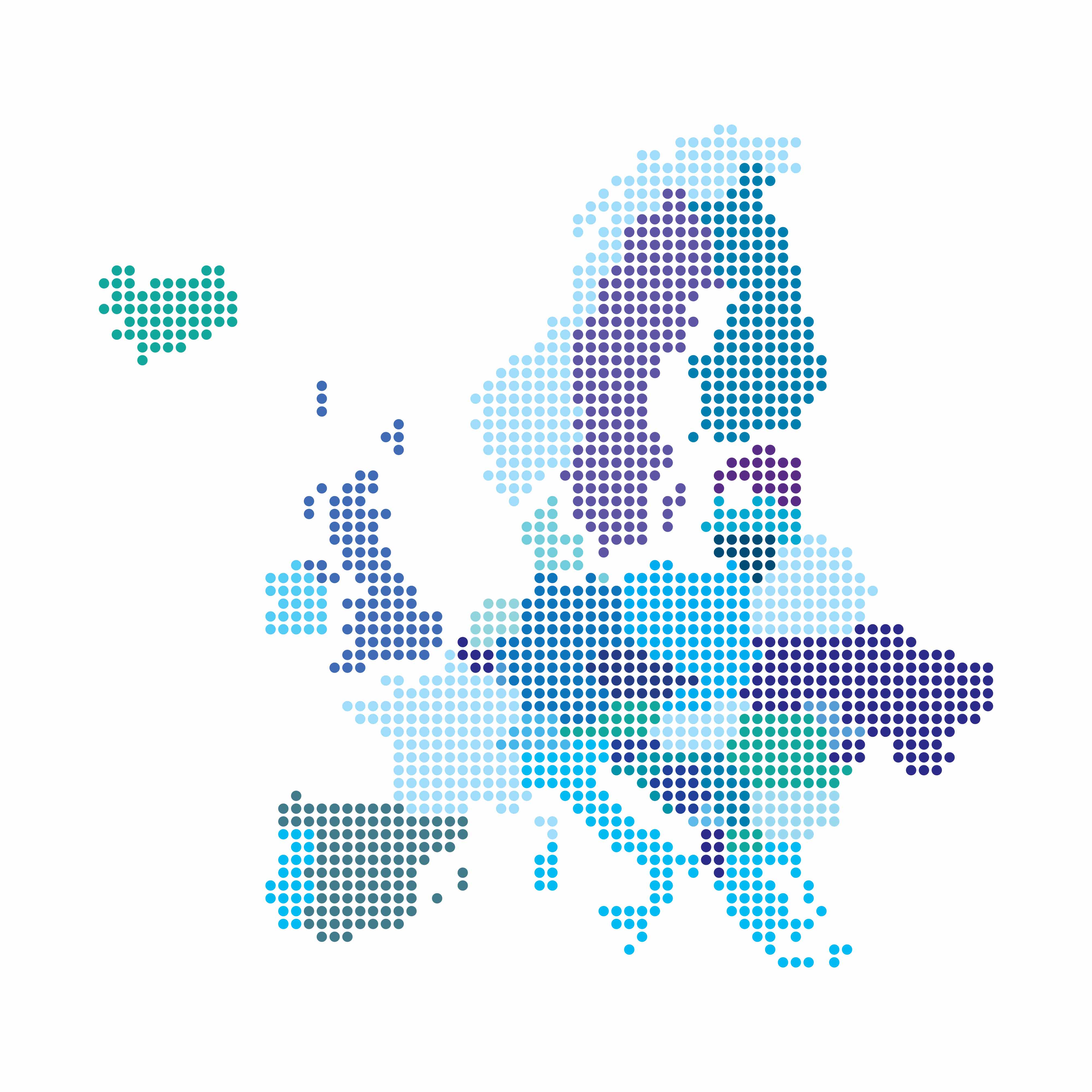
Cost, environmental and operational efficiencies been measured in 6 Living Labs (Madrid, The Hague, Budapest, Lyon, Oslo, Porto). Results are delivered in the form of exploitable Digital Twins, incorporating the Living Lab models.

Green

Delivery Vehicles

Digital Twinning

Platform

Crowd

Shipping

EDVs

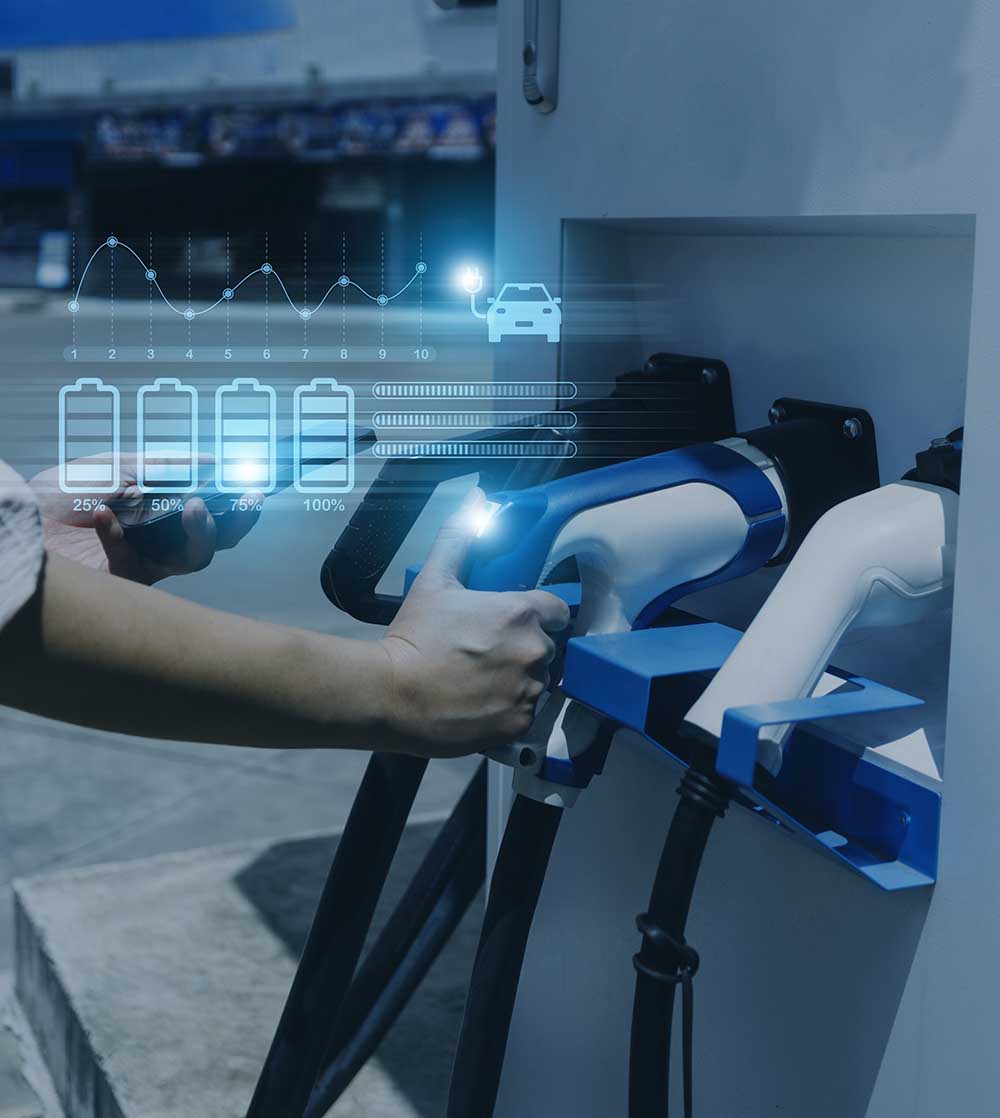
Charging Stations

01

Madrid

Turning an underground parking lot to an urban consolidation center

02

The Hague

Integrated last-mile logistics with demand-supply matching platforms

03

Oslo

Combining crowd-shipping models with existing delivery services

04

Budapest

Optimising spatial planning of inner-city loading areas

05

Porto

Optimising green deliveries and adding charging stations to SONAE retail stores

06

Lyon

Implementing smart delivery solutions with e-cargo bikes and lockers

Our role.

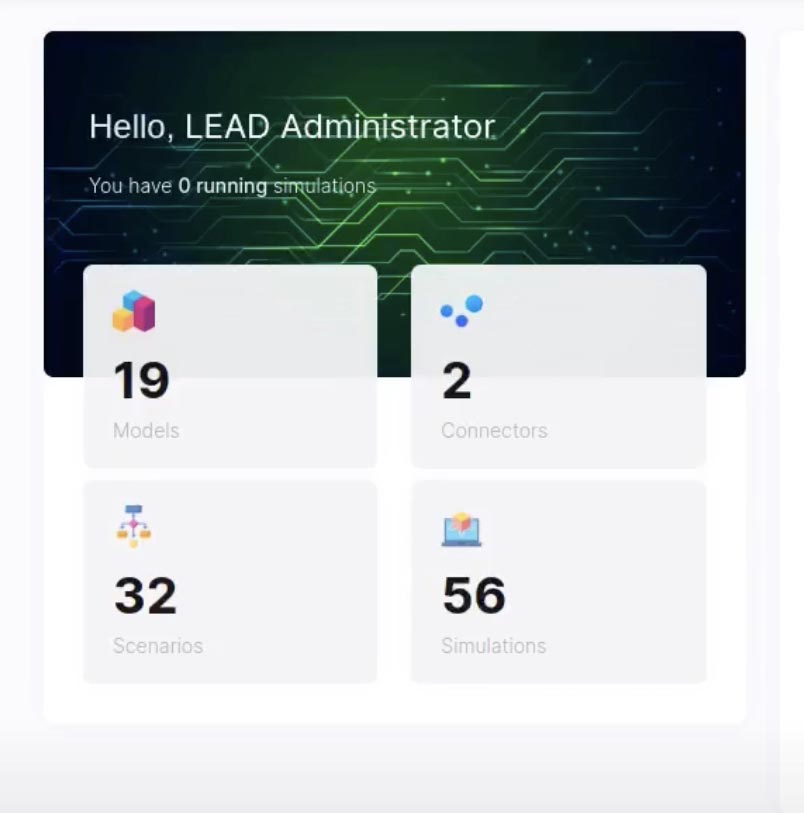
Beyond technical coordinator, Inlecom Innovation developed the LEAD Digital Twining platform, an open platform that standardises the execution of model workflows, comprising a number of interdependent models, where the output of one is the input to another. The platform enables experimentation with alternative what-if scenarios towards optimising operations and reducing the environmental impact.

Learn more about the project

This project has received funding from the Horizon 2020 research and innovation programme under GA 861598. Funded by the European Union. Views and opinions expressed are however those of the author(s) only and do not necessarily reflect those of the European Union or European Commission. Neither the European Union nor the granting authority can be held responsible for them.