Skip links
SPINE

Smart Public transport Initiatives
for climate-Neutral cities in Europe

Unlocking the Potential of Sustainable Transport

Vision.

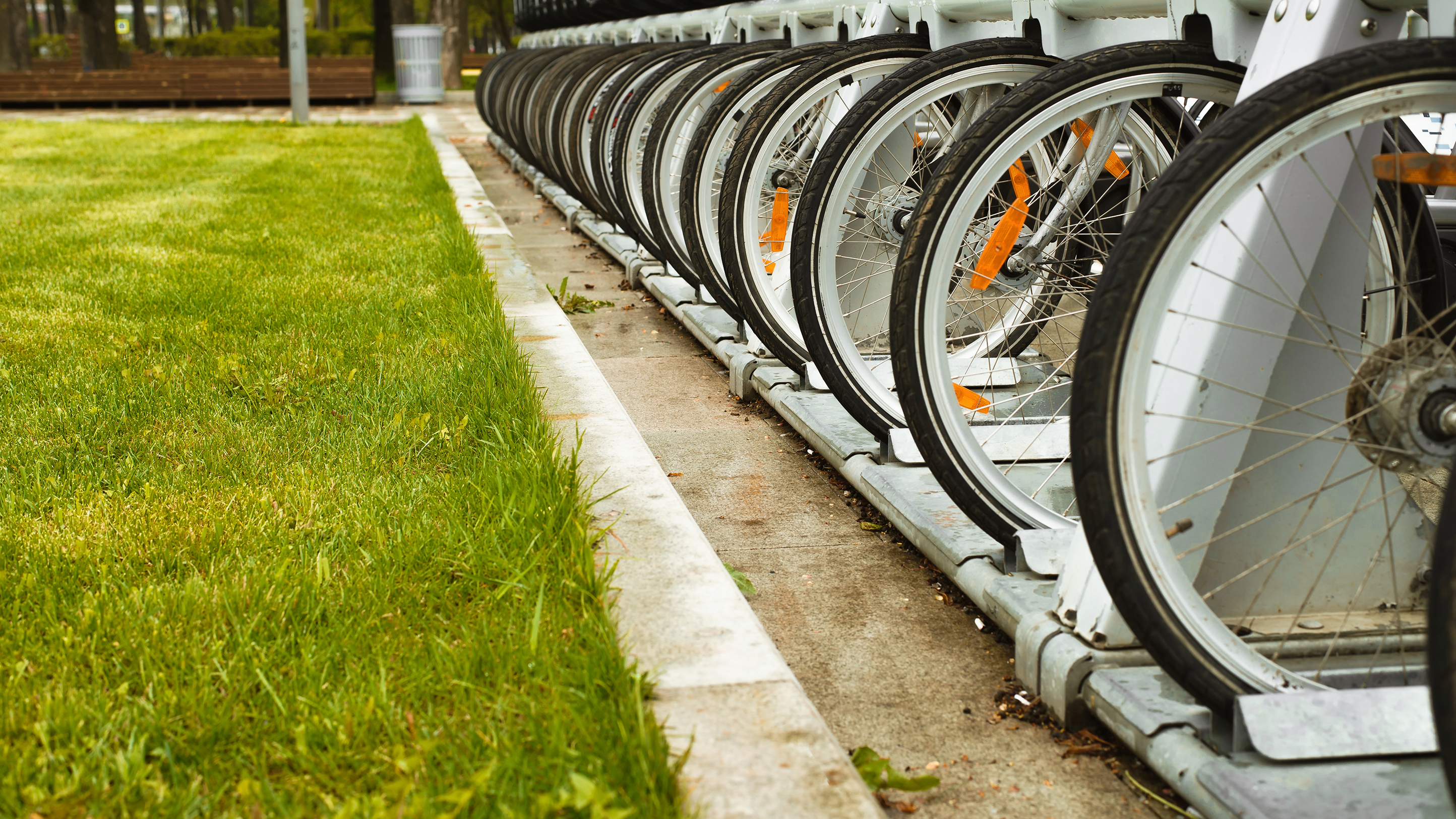
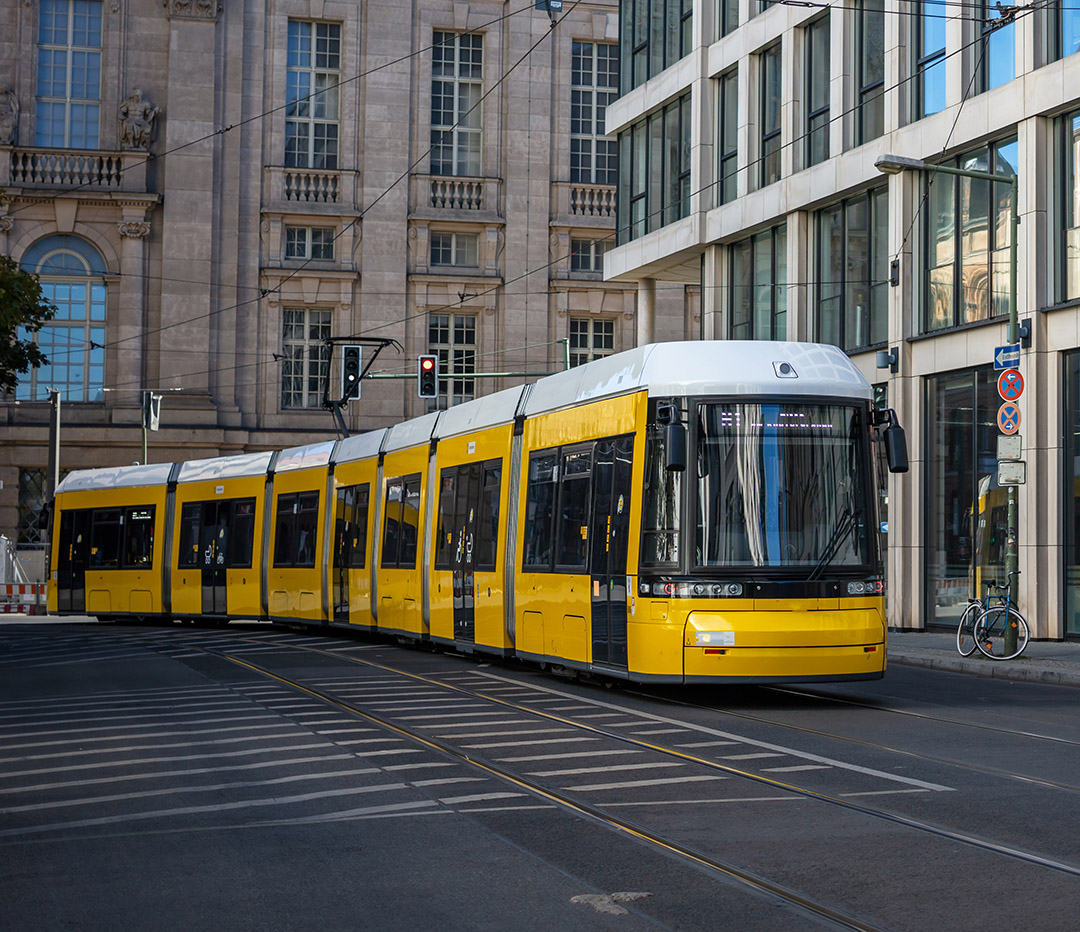
SPINE aims to accelerate the progress towards climate neutrality by reinforcing Public Transport (PT) systems through their smart integration with new mobility services, sharing schemes, active transport modes, and micromobibilty.
The project adopts an equity centred design thinking approach, leading the transition to a more efficient, sustainable, resilient, and inclusive PT system.

Programme

Horizon Europe

Our role

Project Coordinator

Start date

Jan 2023

Duration

42 months

17m
Budget
39
Partners

The challenge.


Transport accounts for 24% of CO2 emissions in the energy sector. As a result, it is necessary to reduce transportation emissions, adverse effects, and enhance transportation access.
However, a contradiction lies between the reduction of transport’s emissions and the need for improved access to transportation to ensure that “no person or place is left behind”.
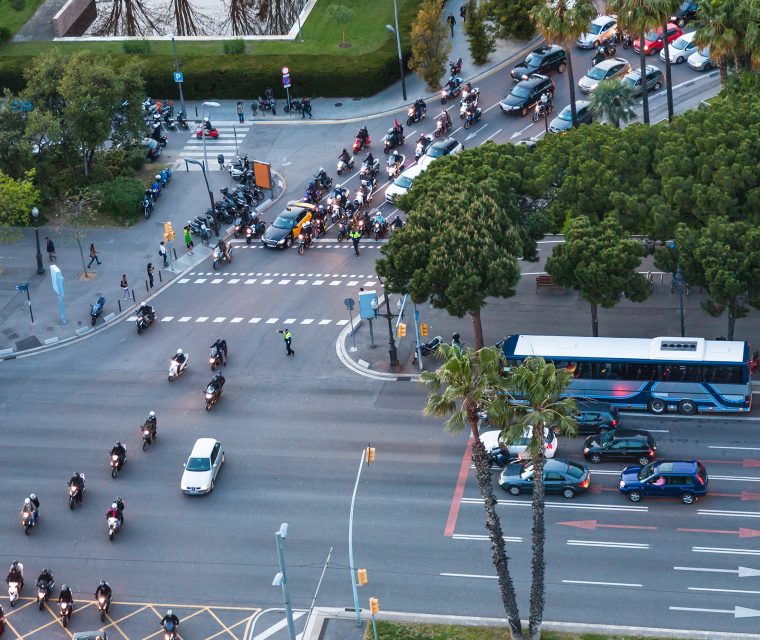
Public Transport (PT) is widely acknowledged as the backbone of sustainable urban transportation, but PT systems are frequently criticized for being unreliable, uncomfortable, even unfriendly for specific vulnerable groups. Finally, the recent pandemic led more people to use their cars instead of PT, a shift that has not been recovered until now in most cities.

Carbon Emissions

Lack of Access

Vulnerable Groups Exclusion

Approach & solutions.


To address this challenge, SPINE suggests a total of 55 co-created innovative mobility solutions, which are green, integrated, resilient, accessible and smart. These include updates of existing solutions but also new solutions or ‘twinning’ solutions meaning they are building on the experience of the Lead living labs. Some of the measures envisioned are: use and upgrade of local and new platforms, improvement or integration of citizen applications with real time information, micro-incentives, inclusion schemes, multimodal journey planner, improve of digital signage, smart parking management, low emission zones and many more.
The SPINE approach involves the creation of:

  • Innovative simulation and Digital Twining (DT) tools
  • Open data and behavioural models
  • Data-driven impact assessment models,
  • The SPINE topic guide
  • Collaborative local governance models
  • Rebranding PT campaigns
  • Co-creation of innovative mobility solutions
  • Digital enablers for integrated urban mobility planning and management

Las Palmas

Lead City

Antwerp

Lead City

Tallinn

Lead City

Bologna

Lead City

Barreiro

Twinning City

Valladolid

Twinning City

Sibenik

Twinning City

Heraklion

Twinning City

Rouen

Twinning City

Gdynia

Twinning City

Zilina

Twinning City

Living Labs

Digital solutions across the Mission Cities

A network of collaborative Living Labs (LLs) is being built to promote transferability, while an intersectional view of transportation system users is employed.
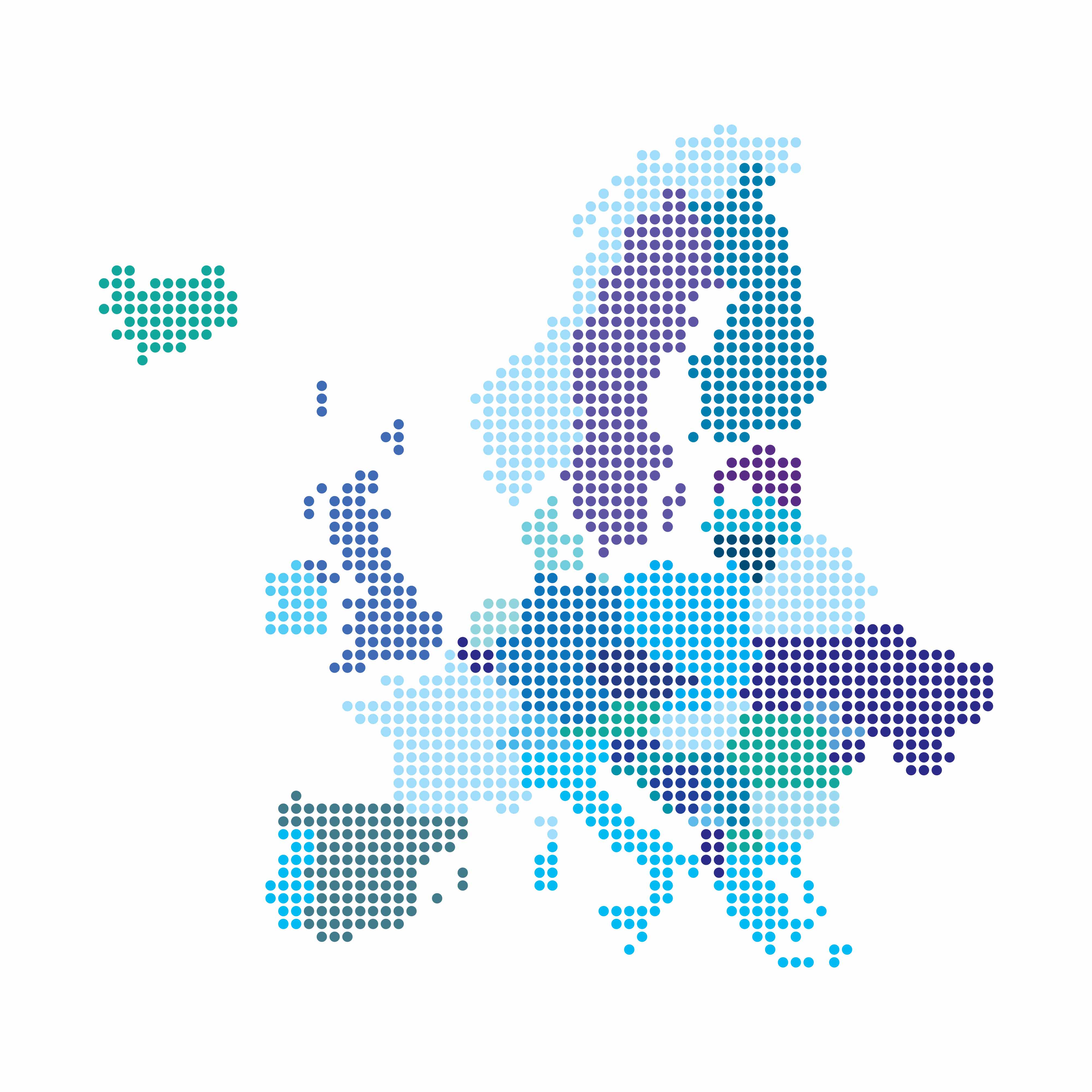
Four Lead City LLs will be established in Antwerp, Bologna, Tallin, and Las Palmas. SPINE will be developing data-driven impact assessment models that will foster the twinning, transferability and adaptation of the successful solutions of the four LLs in seven Twinning Cities - Barreiro, Valladolid, Zilina, Sibenik, Heraklion, Gdynia and Rouen.

Green, Micro & Shared

Environment & Sustainability

Electric

Mobility

INCLUSIVE

Social Equity & Safety

INNOVATIVE

Technology

01

Multimodal Hubs

Integration of modes & ticketing.

02

Mobility as a Service

Smart multimodal journey planner applications.

03

New Inclusive Services

Including services for families or people
with reduced mobility.

04

Traffic Management

New lanes, Public Transport Prioritisation.

05

Hyperlocal

On-demand mobility service.

06

Cargo Hitching

Combined passenger and cargo transport.

Our role.

Inlecom Innovation is the coordinator of SPINE and is therefore responsible for overseeing the successful fulfillment of all project objectives. However, we also lead the Digital Twin development work.

Learn more about the project

This project has received funding from the Horizon Europe research and innovation programme under GA 101096664. Funded by the European Union. Views and opinions expressed are however those of the author(s) only and do not necessarily reflect those of the European Union or European Commission. Neither the European Union nor the granting authority can be held responsible for them.