


DynamiCity
Empowering walking, cycling and micro-mobility for cancer prevention and cleaner, healthier and better-connected cities
Transforming urban mobility into a catalyst for healthier lifestyles, cancer prevention, climate neutrality, and improved wellbeing.
Vision.
DynamiCity envisions a future where walking, cycling, and micro-mobility are recognised not only as sustainable transport options but also as powerful tools for improving public health and preventing disease. By integrating health and mobility policies, the project seeks to create cleaner, healthier, and more inclusive urban environments where active travel becomes a natural part of daily life.
The project promotes a paradigm shift in urban mobility by positioning transport as a strategic means to enhance wellbeing, support cancer prevention and survivorship, and accelerate the transition towards climate-neutral cities. Through innovative interventions, digital solutions, behavioural change strategies, and improved urban infrastructure, DynamiCity empowers citizens and city authorities to make active mobility a central pillar of urban development.
Programme
Horizon Europe–Innovation Action (Cancer Mission)
Our role
Leader of Strategic Positioning & Valorisation Planning, supporting exploitation, behavioural interventions, and digital tools development.
Start date
June 2026
Duration
36 months
The challenge.
Although walking, cycling, and micro-mobility are proven to improve health, reduce environmental impacts, and enhance quality of life, their adoption remains below desired levels in many European cities. Physical inactivity continues to be a major risk factor for chronic diseases, including several forms of cancer, while urban transport systems still rely heavily on private vehicles.
A key challenge lies in bridging the gap between public health and transport planning. Health policies rarely consider mobility as a prevention tool, while mobility strategies often overlook their potential contribution to disease prevention and wellbeing. As a result, opportunities to encourage healthier lifestyles through everyday travel remain largely untapped.
Physical Inactivity
Car Dependency
Underutilised Prevention Potential
Approach & solutions.
To address this challenge, DynamiCity will develop and test innovative interventions that make active mobility more attractive, accessible, and integrated into daily life, helping citizens adopt healthier travel habits while supporting more sustainable urban environments.
The project combines behavioural science, digital innovation, participatory design, and evidence-based policymaking to encourage walking, cycling, and micro-mobility across diverse urban contexts. Through a human-centred approach, DynamiCity will develop and deploy a range of tools and methodologies that support both citizens and city authorities in promoting healthier mobility choices.
Key solution components include:
- Behavioural intervention toolboxes incorporating techniques such as nudging, incentives, gamification, and habit-forming strategies to encourage active travel.
- Digital platforms and dashboards for monitoring, visualising, and assessing mobility, environmental, and health-related indicators.
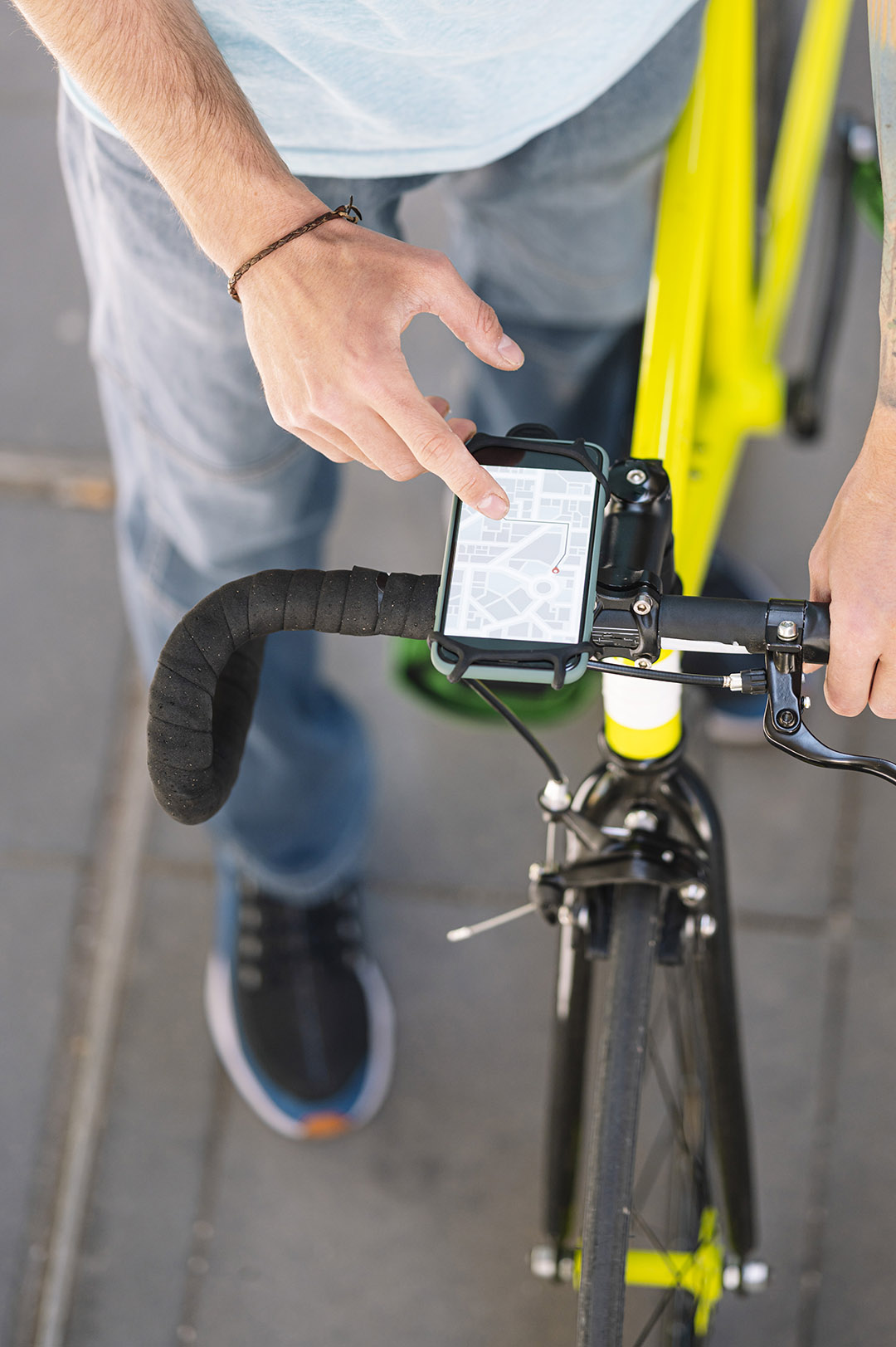
- Mobility support applications and digital services designed to facilitate active mobility adoption and improve user engagement.
- Co-creation and stakeholder engagement methodologies that involve citizens, healthcare professionals, local authorities, and mobility stakeholders in the design and implementation of solutions.
- Data-driven monitoring and evaluation frameworks to measure the effectiveness of interventions and support evidence-based decision-making.
- Training and knowledge-sharing resources that help cities integrate active mobility into broader health, sustainability, and urban planning strategies.
Together, these solutions will provide cities with practical tools and evidence-based approaches to increase active mobility uptake, improve public health outcomes, and support the transition towards cleaner, healthier, and more liveable urban environments.
Living Labs
DynamiCity will validate its solutions through a network of 12 Living Labs across Europe, bringing together cities, citizens, healthcare organisations, mobility experts, and policymakers in real-world environments.
The project's six demonstrator cities, L'Hospitalet de Llobregat (Spain), Edinburgh (United Kingdom), Sarajevo (Bosnia and Herzegovina), Helmond (Netherlands), Differdange (Luxembourg), and Egaleo (Greece), and six follower cities, Brussels (Belgium), Lviv (Ukraine), Cluj-Napoca (Romania), Prague (Czech Republic), Istanbul (Türkiye), and Høje-Taastrup (Denmark), will serve as testing grounds for innovative active mobility interventions tailored to local needs and priorities. Through implementation, monitoring, and knowledge exchange activities, participating cities will generate evidence on the health, environmental, and societal benefits of active mobility, supporting the replication of successful approaches across Europe.
Behaviour Change & Citizen Engagement
Smart Digital Mobility Solutions
Active Mobility Infrastructure & Urban Design
Health & Policy Integration
Mobility & Health Platform
An integrated digital platform that brings together mobility, environmental, and health-related data from the DynamiCity Living Labs and will support monitoring, knowledge sharing, and evidence-based decision-making while making selected non-sensitive data openly accessible.
Behavioural Intervention Toolbox
A practical toolbox supporting the design, implementation, and evaluation of behavioural interventions that encourage walking, cycling, and micro-mobility. It will help cities and stakeholders apply proven behaviour-change methodologies tailored to local contexts.
Digital Mobility Tools
DynamiCity will deploy and integrate a portfolio of digital tools that support active mobility uptake, including mobility tracking, gamification applications, cycling network assessment tools, and solutions that facilitate safer and more attractive active travel experiences.
Connected Intelligent Transport Systems (C-ITS)
Smart mobility solutions will connect active and micro-mobility users with urban infrastructure through technologies such as smart traffic management, digital communication systems, and route-planning services, improving both safety and user experience.
Cycle Nation Programme
A programme designed to promote cycling participation and active lifestyles through community engagement, awareness raising, and behavioural support mechanisms. The programme aims to make cycling more accessible and attractive to diverse user groups.
Certified Training for Holistic Cancer Support
An interdisciplinary training programme that strengthens the connection between active mobility, health promotion, cancer prevention, and survivorship. The programme will equip healthcare professionals, mobility practitioners, and local stakeholders with the knowledge and tools needed to support healthier lifestyles.
Our role.
INLECOM contributes its expertise in behavioural change, gamification, and digital innovation to support the development of effective active mobility interventions. Building on its experience in European mobility and smart city projects, INLECOM supports the design of citizen-centred solutions that encourage walking, cycling, and micro mobility through engaging digital tools and incentive mechanisms. The company also contributes to the integration of innovative mobility services within urban mobility ecosystems, helping cities promote healthier and more sustainable travel behaviours.

This project has received funding from the European Union's Horizon research and innovation programme under GA 101270042. Funded by the European Union. Views and opinions expressed are however those of the author(s) only and do not necessarily reflect those of the European Union or European Commission or CINEA. Neither the European Union nor CINEA can be held responsible for them.